🔔 Announcement: American Trucking Insurance is now a part of Valley!
See details
🔔 Announcement: American Trucking Insurance is now a part of Valley!
See details

Leasing a Truck That’s Already Insured: How Scammers Create Double Liability Nightmares
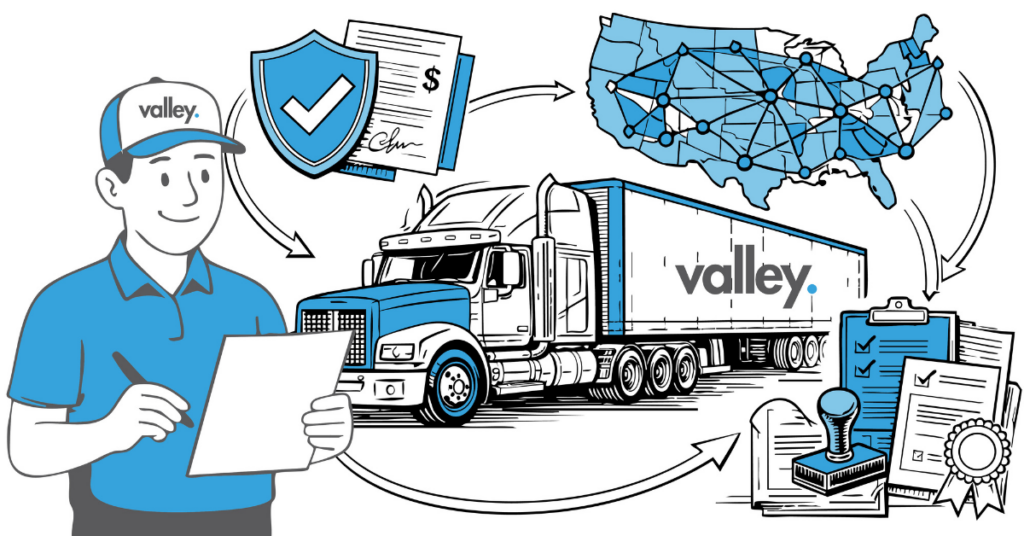
Key takeaway: Leasing a truck that’s already insured often creates hidden gaps where no policy responds correctly. These arrangements are a common setup in insured truck leasing scams, leaving both the truck owner and the fleet using it exposed to uncovered losses, denied claims, and regulatory trouble.
Fleet growth is expensive, slow, and paperwork-heavy. That is exactly why the pitch works.
“You do not need to worry about insurance. The truck is already insured.”
For busy trucking businesses trying to add capacity fast, leasing a truck that’s already insured sounds like a shortcut. No underwriting delays. No down payments. No waiting on certificates.
In reality, this is one of the fastest ways fleets get dragged into double liability nightmares that end with denied claims, FMCSA problems, and six-figure losses.
Let’s break down how these scams work, why insurance companies reject these claims, and what fleets should do instead.
Why leasing a truck that’s already insured sounds appealing
Leasing trucks is common. Leasing insured trucks is where trouble starts.
The appeal is simple:
- Faster onboarding of equipment
- Lower upfront costs
- No immediate insurance application
- Seller claims compliance is already handled
In tight freight markets, these offers often come bundled with urgency. Limited availability. Pressure to sign. Promises that everything is compliant.
That urgency is the first warning sign.
Insurance does not work on verbal assurances. It works on named insureds, listed vehicles, scheduled drivers, and clearly defined control.
When those elements do not align, coverage collapses.
How insured truck leasing scams actually work
Insured truck leasing scams are rarely obvious. They rely on partial truths and intentional omissions.
Here are the most common structures.
The fake blanket policy trick
The lessor claims the truck is insured under a “fleet” or “blanket” policy.
What they do not explain:
- The policy only names the truck owner
- The leasing fleet is not a named insured
- There is no additional insured endorsement
- There is no permissive use coverage for commercial hauling
When a claim happens, the insurance company looks at who controlled the vehicle at the time of loss. If it was your business, their policy does not apply.
FMCSA guidance on control and responsibility confirms this distinction.
Unauthorized driver exposure
Another common setup involves drivers.
The truck may be insured. The driver is not.
If your business supplies the driver, dispatches the load, or controls the operation, the policy covering the truck owner often excludes that driver entirely.
Insurance companies verify driver schedules, MVRs, and employment relationships during claims investigations. If the driver does not match the policy, coverage fails.
What double liability really means in trucking claims
Double liability does not mean double coverage.
It means double exposure with zero protection.
Here is how it plays out:
- Your fleet is sued because you controlled the operation
- The truck owner is sued because they own the equipment
- Each insurance company points to the other
- Both deny responsibility
This is common in serious accidents involving injuries, fatalities, or cargo losses.
Courts look at operational control, not handshake agreements. FMCSA leasing regulations make control the determining factor, not ownership.
Why insurance companies deny these claims
Insurance companies do not deny claims randomly. They deny claims when policy terms are violated.
Common denial reasons include:
- Named insured mismatch
- Vehicle not scheduled correctly
- Driver not listed or approved
- Business use not disclosed
- Unauthorized leasing arrangement
Insurance companies also review lease agreements line by line. If your contract states you assumed responsibility for operations, the claim lands on you.
The Insurance Information Institute explains how coverage hinges on proper disclosure and policy structure.
Red flags fleets miss before signing
Most fleets do not fall for obvious scams. They miss subtle ones.
Watch for these red flags:
- Refusal to provide full policy declarations
- Certificates of insurance without endorsements
- Pressure to sign quickly
- Claims that “everyone does it this way”
- No written lease agreement
- Vague language about responsibility
If you cannot see the policy declarations page, you do not have proof of coverage.
A certificate alone proves nothing. Even insurance regulators warn against relying solely on certificates.
How to lease trucks safely without insurance surprises
Leasing trucks can be done safely. It just cannot be done casually.
Best practices include:
- Your business carries its own commercial auto policy
- The leased truck is scheduled on your policy
- Drivers are approved under your policy
- Lease clearly defines control and responsibility
- Additional insured endorsements are verified
Insurance should be arranged before dispatch, not after.
If someone claims insurance “transfers automatically,” that is incorrect.
Insurance never transfers without written endorsement.
What to do if you already leased an insured truck
If you are already operating under this setup, do not wait for a claim.
Steps to take immediately:
- Request full policy declarations from the lessor
- Verify named insureds and listed vehicles
- Confirm driver coverage
- Contact your insurance professional for a review
- Stop dispatch if coverage cannot be verified
The longer this continues, the higher the exposure grows.
FAQ
Is it illegal to lease a truck that’s already insured?
Not automatically, but most arrangements fail to meet insurance and FMCSA requirements when control is transferred.
Does a certificate of insurance protect my fleet?
No. Certificates do not change policy terms or guarantee coverage.
Who pays if both insurance companies deny the claim?
The businesses involved. Often out of pocket.
Can I be added to the truck owner’s policy instead?
Sometimes, but it requires underwriting approval and endorsements in writing.
Does FMCSA care who insures the truck?
FMCSA cares who controls the operation and who is financially responsible.
What losses are most common in these scams?
Severe auto liability claims, cargo losses, and uninsured accident lawsuits.
If you are leasing trucks or considering adding equipment fast, do not guess on insurance structure. Valley Trucking Insurance helps fleets review leasing arrangements, verify control exposure, and fix coverage gaps before they turn into denied claims. A quick coverage review now is cheaper than finding out after an accident.
Smarter Coverage. Real Support. No Hassle.