🔔 Announcement: American Trucking Insurance is now a part of Valley!
See details
🔔 Announcement: American Trucking Insurance is now a part of Valley!
See details

How to Build a Trucking Insurance History That Lowers Premiums Over Time

Cameron Pechia / Dec 26, 2025
Reviewed by Cameron Pechia, Founder, WA Insurance License 71186
Last reviewed: 3/18/2026
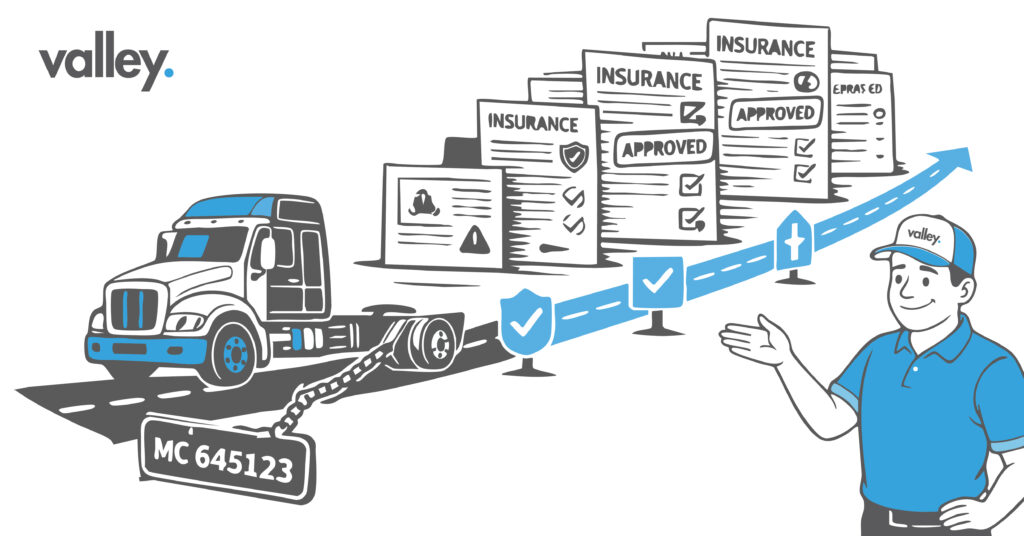
Many trucking companies believe insurance premiums only go one direction. Up. While market cycles do affect pricing, the reality is that individual fleets have far more control than they think. Insurance history matters. How you operate today shapes how insurers price you tomorrow.
Trucking insurance is not just about what happened last year. It is about patterns. Insurers look for consistency, discipline, and proof that risk is managed over time. Fleets that understand this build an insurance history that works in their favor, even during tough markets.
This guide explains how trucking insurance history is built, what insurers actually track, and what steps fleets can take to lower premiums over time without cutting coverage.
Quick Answer
You build a trucking insurance history that lowers premiums by maintaining continuous coverage, reducing claims frequency and severity, documenting safety and maintenance practices, managing drivers carefully, and communicating improvements to insurers. Insurers reward consistency and proof of control. Fleets that avoid lapses, manage claims well, and show year-over-year improvement are viewed as lower risk and priced accordingly.
What Insurance History Really Means
Insurance history is more than a record of premiums paid. It is a long-term profile that shows how your operation behaves under pressure.
Continuous Coverage Matters
Gaps in insurance signal instability. Even short lapses raise red flags. Insurers see continuous coverage as proof that a business is financially and operationally disciplined.
Claims Patterns Matter More Than One Incident
One accident does not usually define a fleet. Repeated incidents do. Insurers track frequency, severity, and cause.
Compliance History Is Part of the Picture
DOT inspections, violations, and out of service events influence how insurers assess risk. A clean compliance record supports better pricing.
The FMCSA explains how safety performance and compliance data are tracked and used to evaluate carriers through its public safety measurement system, which is outlined in its vehicle safety and maintenance guidance.
Why New Carriers Start at Higher Rates
Many owner operators are surprised by their first insurance quote. High initial premiums are common, and there is a reason.
No Track Record
Insurers price uncertainty higher than known risk. A new carrier has no insurance history, no claims trend, and no long-term data.
Higher Failure Rates in Early Years
Statistically, new carriers experience more incidents in their first years. Insurers price for that risk.
Limited Operational Proof
Without inspection history, safety records, or maintenance logs, insurers rely on conservative assumptions.
The good news is this. New carriers who build strong habits early improve their pricing faster than those who do not.
The Building Blocks of a Strong Insurance History
Lower premiums come from predictable operations. These core elements shape how insurers see your business.
1. Maintain Continuous Coverage
This is the foundation.
Why Lapses Hurt So Much
A lapse tells insurers that cash flow or management failed. Even if nothing bad happened during the lapse, the signal is negative.
How to Avoid Gaps
- Set payment reminders
- Use automatic payments when possible
- Work with a broker who monitors renewals
- Build a small reserve for slow periods
Continuous coverage is one of the strongest positive signals you can send.
2. Control Claims Frequency
Fewer claims equal lower premiums.
Focus on Preventable Incidents
Backing accidents, minor collisions, and loading damage drive up frequency. These small claims add up quickly.
Train Drivers Consistently
Ongoing training reduces repeat incidents. Insurers value documented training programs.
Use Technology as Support
Dash cams and telematics reduce disputes and improve behavior. They also help defend drivers when accidents are not their fault.
The National Highway Traffic Safety Administration provides data showing how driver behavior and vehicle condition affect crash risk, which directly influences insurance losses. Their safety research is available through the NHTSA road safety resource.
3. Manage Claim Severity
Not all claims are equal. One large loss can outweigh several years of clean driving.
Report Claims Immediately
Delayed reporting increases costs. Early involvement reduces legal and repair expenses.
Document Everything
Photos, statements, and records protect your position and limit inflated claims.
Stay Involved Through Resolution
Passive claims management often leads to higher payouts. Active involvement matters.
4. Keep Maintenance Records Clean
Mechanical failures raise serious liability concerns.
Preventive Maintenance Is a Pricing Factor
Well-maintained trucks break down less and pass inspections more easily.
Documentation Is Critical
Insurers want proof. Logs, receipts, and inspection reports support your story.
Clean Inspections Build Credibility
Each clean DOT inspection strengthens your insurance profile.
5. Hire and Manage Drivers Carefully
Drivers shape insurance history more than equipment.
Screen Drivers Properly
MVR checks, experience verification, and reference reviews matter.
Address Issues Early
Coaching after minor violations prevents larger problems later.
Avoid High Turnover
Constant driver changes signal instability and raise underwriting concern.
6. Match Coverage to Operations
Mismatched coverage creates disputes and denials.
Keep Insurers Updated
New routes, new cargo, or new trucks must be reported.
Avoid Underinsuring
Low limits may reduce premiums short term but create catastrophic exposure.
Avoid Overinsuring
Unnecessary coverage increases cost without benefit.
The National Association of Insurance Commissioners explains how insurers evaluate risk and price coverage based on operational details in its consumer insurance guidance, available through the NAIC insurance resource.
How Insurers Review Your History at Renewal
Understanding renewal reviews helps fleets prepare.
Year Over Year Trends
Insurers compare performance across policy periods.
Loss Ratios
They examine how much they paid versus how much premium they collected.
Behavior Changes
Safety improvements, training programs, and technology adoption are noted.
Stability Signals
Consistent operations and financial discipline support better outcomes.
Common Mistakes That Damage Insurance History
Avoiding these mistakes protects long-term pricing.
- Letting coverage lapse
- Hiding claims or delaying reporting
- Ignoring minor incidents
- Skipping maintenance documentation
- Rapid, unmanaged growth
- Misclassifying operations
These errors compound over time.
How Long It Takes to See Lower Premiums
Insurance improvement is not instant.
Year One
Focus on clean operations and documentation.
Year Two
Patterns begin to form. Small improvements show.
Year Three and Beyond
Consistent performance leads to better pricing options and more carrier choices.
Patience and discipline matter.
Real World Examples
The Owner Operator Who Built History the Right Way
A new owner operator started with high premiums. He maintained continuous coverage, had no claims, passed clean inspections, and documented maintenance. After three years, his premiums dropped significantly compared to market averages.
The Fleet That Ignored Small Claims
Another fleet filed multiple minor claims. Premiums rose despite no major accidents. Once they raised deductibles and focused on prevention, pricing stabilized.
The Carrier That Lost Momentum
A carrier with a strong history suffered a lapse during a slow season. Premiums jumped the following year, undoing years of progress.
How to Communicate Your Progress to Insurers
Insurers do not assume improvement. You must show it.
Prepare Renewal Summaries
Highlight safety initiatives, training, and clean inspections.
Share Data
Telematics reports and maintenance logs support your case.
Work With Experienced Advisors
Good brokers know how to present your history effectively.
Final Thoughts
Lower trucking insurance premiums are built, not negotiated. Fleets that treat insurance history as a long-term asset outperform those who chase short-term savings. Continuous coverage, disciplined operations, clean records, and proactive communication create a profile insurers trust.
You cannot control the market, but you can control how your business looks within it. Over time, that control pays off.
Review your insurance history today. Check for gaps, review claims trends, and organize maintenance and safety records. Small steps taken consistently can lower premiums and protect your business for years to come. If you want your insurance history to work for you instead of against you, get a professional review of your coverage and request a quote through Valley Trucking Insurance’s commercial quote form.
FAQs
How long does insurance history stay on record?
Most insurers review the last three to five years.
Can one accident ruin my pricing?
One accident usually does not, but severe losses matter.
Do clean inspections really help?
Yes. They reduce perceived mechanical risk.
Does changing insurers reset history?
No. History follows the carrier, not the insurer.
Is continuous coverage more important than price?
Yes. Stability protects long-term affordability.

Smarter Coverage. Real Support. No Hassle.