🔔 Announcement: American Trucking Insurance is now a part of Valley!
See details
🔔 Announcement: American Trucking Insurance is now a part of Valley!
See details

Cargo Theft from Inside the Fleet: Are You Insured for Internal Losses?

Cameron Pechia / Feb 18, 2026
Reviewed by Cameron Pechia, Founder, WA Insurance License 71186
Last reviewed: 3/18/2026
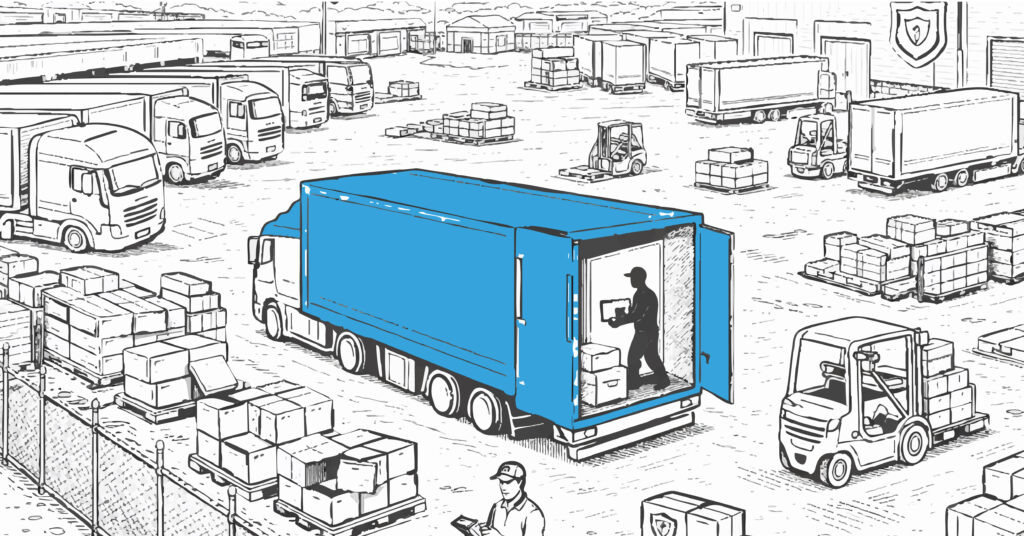
Key Takeaway: Cargo theft is often pictured as organized crime hitting parked trucks at truck stops. That risk is real. But another threat is growing quietly inside trucking operations.
Cargo theft from inside the fleet happens when employees, drivers, warehouse staff, dispatchers, or subcontractors divert, steal, or misreport loads. When this happens, many fleet owners assume their cargo insurance will respond. That assumption can be costly.
Most standard motor truck cargo policies do not automatically cover internal theft by employees. Coverage often depends on policy wording, exclusions, and whether you carry separate crime or employee dishonesty coverage. If you do not review this carefully, you may be exposed to a six-figure loss with no reimbursement.
Why This Issue Matters
According to the Federal Bureau of Investigation, cargo theft continues to impact U.S. supply chains and transportation businesses, particularly in high-value freight sectors such as electronics, food, and pharmaceuticals
The National Insurance Crime Bureau also reports that organized theft and fraud schemes continue to evolve, including internal diversion and misrepresentation tactics
For fleet owners, the financial hit is not just the value of the cargo. You may face:
- Shipper claims
- Contract penalties
- Loss of key customers
- Higher premiums from your insurance carrier
- Authority or compliance scrutiny
If you operate under FMCSA authority, maintaining financial responsibility and proper filings is critical. Federal registration and compliance requirements can be reviewed directly through the Federal Motor Carrier Safety Administration.
Now let’s break down how coverage actually works.
What Is Cargo Theft from Inside the Fleet?
Internal cargo theft refers to situations where someone within your trucking company intentionally steals, diverts, or misrepresents cargo.
Examples include:
- A driver selling part of a load before delivery
- Warehouse staff removing high-value pallets
- A dispatcher coordinating load diversion
- False damage reports to hide missing freight
- Collusion between an employee and an outside buyer
Unlike external theft, there may be no forced entry or obvious signs of crime.
That distinction matters for insurance.
Does Standard Cargo Insurance Cover Internal Theft?
What Motor Truck Cargo Typically Covers
Motor truck cargo insurance is designed to protect against:
- Collision-related cargo damage
- Fire
- Overturn
- External theft
- Certain weather-related losses
The policy protects the trucking company when it is legally liable for cargo damage or loss during transit.
Common Exclusions Fleets Overlook
Many policies contain exclusions for:
- Employee dishonesty
- Voluntary parting with property
- Unexplained disappearance
- Fraudulent schemes
- Inventory shortages
If a loss cannot be clearly tied to a covered peril, your insurance carrier may deny the claim.
That is where internal theft becomes complicated.
What Type of Policy Covers Employee Theft?
If you want protection against cargo theft from inside the fleet, you typically need additional coverage.
Commercial Crime Policies
A commercial crime policy can cover losses resulting from employee theft, fraud, and certain dishonest acts.
These policies may apply to:
- Theft of money
- Theft of securities
- Theft of property owned by the business
- Theft of property held for others, depending on endorsements
Coverage limits and definitions vary significantly.
Employee Dishonesty Coverage
Employee dishonesty is often added as an endorsement to a commercial property or crime policy.
It is designed to cover:
- Intentional theft
- Fraud
- Embezzlement
- Forgery
However, it usually requires proof of intent and documented loss.
Fidelity Bonds
Some fleets purchase fidelity bonds, especially if they handle high-value freight.
A fidelity bond protects against dishonest acts committed by specific employees or groups of employees.
It is important to confirm whether cargo owned by shippers is included. Many bonds only protect the company’s own property.
Why Internal Theft Is Increasing
Internal cargo theft is often driven by:
- High-value consumer goods
- Weak internal controls
- Poor inventory tracking
- High driver turnover
- Pressure during tight freight markets
Technology improves visibility, but fraud schemes are becoming more organized and harder to detect.
When loads disappear without forced entry, suspicion often falls internally.
That can trigger both insurance investigations and criminal investigations.
Real-World Scenarios
Scenario 1: Partial Load Diversion
A driver hauling electronics delivers 80 percent of the shipment. The remaining pallets are reported as damaged and disposed of. The consignee disputes the paperwork. Investigation reveals resale online.
If your cargo policy excludes employee dishonesty, the claim may be denied.
Scenario 2: Warehouse Shrinkage
Repeated inventory discrepancies occur in a cross-dock facility. No break-ins are recorded. Internal review identifies coordinated theft over several months.
Without a crime policy endorsement covering property of others, the fleet absorbs the loss.
Scenario 3: Dispatcher Fraud
A dispatcher reroutes high-value loads to unauthorized storage locations and collaborates with an outside buyer.
Coverage will depend on crime policy wording, proof of intent, and policy limits.
How Insurance Companies Investigate Internal Cargo Theft Claims
Insurance carriers do not treat these claims lightly.
Expect:
- Detailed interviews
- Employment records review
- GPS and ELD data analysis
- Bill of lading audits
- Warehouse footage review
- Financial transaction tracing
If fraud is suspected, insurers may coordinate with law enforcement. Claims can take months to resolve, especially when dishonesty exclusions apply.
Risk Management Steps Fleets Should Take
Insurance is one layer. Controls are another.
Consider implementing:
- Dual-signature release procedures
- GPS geofencing alerts
- Random cargo audits
- Background checks for drivers and warehouse staff
- Segregation of dispatch and billing functions
- Secure yard and dock surveillance
- Clear written cargo handling procedures
Stronger internal controls reduce both loss frequency and underwriting concerns.
Insurance carriers evaluate risk management practices during renewal. If internal theft has occurred, you can expect tighter underwriting and possible premium increases.
Final Thoughts
Cargo theft from inside the fleet is not just a security issue. It is an insurance coverage issue.
If you rely only on standard motor truck cargo insurance, you may have a serious gap. Crime coverage, employee dishonesty endorsements, and proper policy structure are critical for fleets handling high-value freight.
The cost of reviewing your policies now is far lower than absorbing an uncovered internal loss later.
If you are unsure whether your current policies address cargo theft from inside the fleet, now is the time to review them. Valley Trucking Insurance can help you assess your exposures, align your coverage with your freight profile, and close gaps before they turn into major losses. Reach out today for a coverage review built around your operation, not generic assumptions.
FAQs
Does motor truck cargo insurance automatically cover employee theft?
Usually no. Many policies exclude employee dishonesty unless specifically endorsed.
Is a commercial crime policy required for every fleet?
Not required by law, but strongly recommended for fleets handling high-value loads.
Can internal theft affect my premiums?
Yes. Loss history impacts underwriting decisions and renewal pricing.
Will my insurance carrier require proof of theft?
Yes. Documentation, investigation results, and clear evidence are typically required.
Are subcontracted drivers considered employees?
Coverage depends on policy definitions. Independent contractors may not be covered the same way as direct employees.
Does FMCSA require internal theft coverage?
No. FMCSA requires liability filings, not crime coverage. Internal theft protection is a risk management decision.

Smarter Coverage. Real Support. No Hassle.