🔔 Announcement: American Trucking Insurance is now a part of Valley!
See details
🔔 Announcement: American Trucking Insurance is now a part of Valley!
See details

How to File a Trucking Insurance Claim the Right Way

Cameron Pechia / Dec 5, 2025
Reviewed by Cameron Pechia, Founder, WA Insurance License 71186
Last reviewed: 3/18/2026
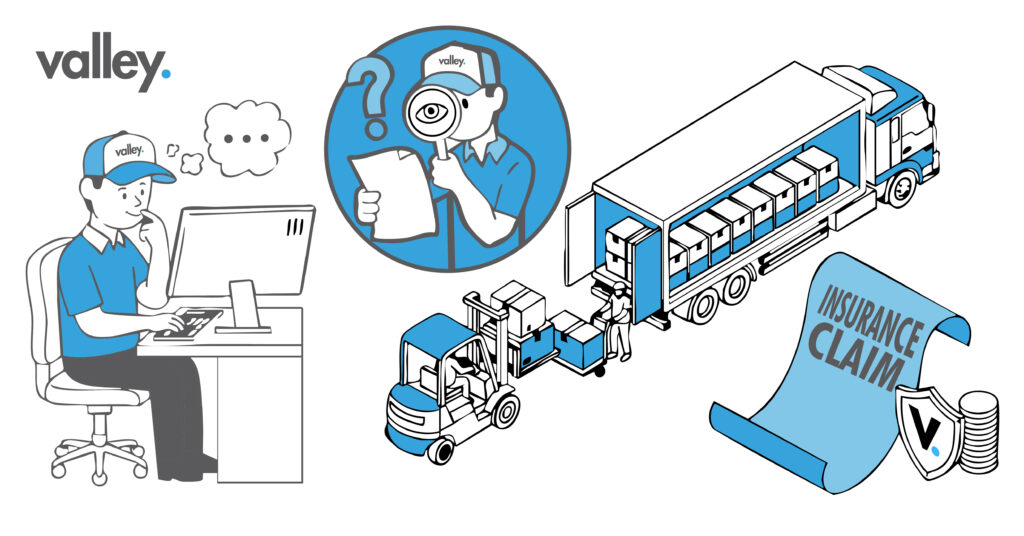
Filing a trucking insurance claim is one of the most important moments in a carrier’s entire year. When something goes wrong on the road, the way you handle the first few minutes and the first few days directly affects your settlement, your renewal pricing, and your long-term risk profile. A claim handled the wrong way becomes expensive. A claim handled the right way protects your company.
Many fleets and owner-operators lose money not because of the accident itself, but because they misunderstand the claims process. They submit incomplete information, forget to document evidence, or wait too long to notify their insurer. These mistakes create delays, raise costs, and damage negotiating power during renewal.
This guide explains how to file a trucking insurance claim the right way so that you protect your drivers, your business, and your financial stability.
Quick Answer
Filing a trucking insurance claim the right way means documenting the scene clearly, reporting the incident immediately, submitting complete information, cooperating with adjusters, and tracking the claim from start to finish. The goal is fast reporting, clean documentation, and strong communication. These steps reduce claim severity and protect your renewal rates.
Why Claims Matter More Than Fleets Think
A trucking accident is stressful, but the claim that follows can create even bigger challenges if handled poorly. Claims influence everything from future premiums to underwriting reviews. Insurers study patterns. A well-handled claim lowers uncertainty. A messy claim raises red flags.
Accident costs continue to rise across the industry. According to the latest crash data from the Federal Motor Carrier Safety Administration, large truck crashes result in thousands of injuries and fatalities each year. These events carry major financial risk for carriers.
Because claims are expensive, insurers expect fleets to be organized. The carriers that follow a disciplined claim process are rewarded. Those that do not often face higher premiums or reduced coverage options later.
What You Should Do at the Scene of an Accident
The first minutes after an accident shape the entire claim. A driver who panics, argues, or forgets to collect evidence creates long-term challenges for the fleet.
Protect Safety First
The top priority is safety. Drivers should turn on hazard lights, check for injuries, call emergency services, and move to a safe area when possible.
Document Everything Clearly
Photos and videos are your strongest defense in a claim. Drivers should capture:
- All vehicles involved
- License plates
- Road conditions
- Traffic signs
- Skid marks
- Damage from multiple angles
Clear documentation prevents disputes later.
Get Witness Information
Names, numbers, and short statements can help support your case if there is a disagreement about what happened.
Avoid Admitting Fault
Drivers should never speculate or apologize. Even innocent statements can be used against the fleet. Drivers should share facts only.
Contact Dispatch
Dispatch should stay calm, guide the driver, and start the internal reporting process immediately.
Report the Claim Immediately
Delays make claims more expensive. Many fleets wait hours or even days to report accidents. This gives adjusters less information to work with and increases the risk of inaccurate details.
Report the claim as soon as:
- Everyone is safe
- Photos are collected
- Information is gathered
Insurers often track how quickly fleets report claims. Fast reporting shows strong control. Slow reporting raises concerns during renewal.
NHTSA research highlights the value of early accident data collection and structured reporting. Strong reporting reduces confusion and ensures that critical details are captured at the right time. The agency’s research data can be reviewed at the National Highway Traffic Safety Administration.
Provide Complete Documentation
Many claims stall because fleets submit incomplete or unclear documents. Insurers need accurate information to assign fault, verify damage, and process coverage.
Prepare and submit:
- Driver’s written statement
- Photos
- Police report
- Telematics data
- Dash cam footage
- Cargo details
- Bill of lading
- Maintenance records if mechanical failure was involved
Each document removes questions. The fewer questions the insurer has, the faster the claim moves.
Cooperate With the Adjuster
The adjuster is not an enemy. They are responsible for gathering facts and determining what the policy covers. Fleets that cooperate and respond quickly resolve claims faster.
Respond to Requests Promptly
Delays create doubt. Doubt increases claim cost.
Stay Honest and Clear
Adjusters appreciate clean communication. Avoid guessing or speculating. Provide records that support your statements.
Keep Your Own Notes
Document every call, email, and update. Organized fleets avoid confusion later.
Manage the Claim From Start to Finish
A claim is incomplete once it is reported. Someone must monitor it regularly. Claims that drift or go quiet often become more expensive.
A strong claim management process includes:
- Weekly status checks
- Internal notes
- Follow-up on missing documents
- Confirming adjuster updates
- Ensuring repair or medical bills are correct
Claims management reduces cost because it prevents unnecessary delays and disputes.
Avoid Common Mistakes Fleets Make
Waiting Too Long to Report a Claim
Delays often lead to denied claims or higher payouts.
Forgetting to Collect Evidence
Missing photos or inaccurate statements hurt your defense.
Sharing Too Much at the Scene
Drivers should not discuss blame or fault with anyone except the fleet.
Ignoring Telematics or Dash Cam Data
Insurers rely on data more than opinions. Use it.
Failing to Review the Policy
Some fleets file claims that fall outside their coverage because they never reviewed exclusions or deductibles.
Poor Communication With Adjusters
Unanswered calls slow the claim and increase cost.
How Filing Claims Correctly Protects Your Renewal
Insurers track every claim closely. When you handle claims well, you show discipline and control. This gives you better negotiating power.
Strong claim management:
- Reduces loss severity
- Strengthens underwriting confidence
- Protects your safety reputation
- Supports better pricing at renewal
- Avoids internal risk flags
When insurers trust your process, they price your fleet more favorably.
What To Do When a Claim Is Disputed
Not all claims run smoothly. Occasionally there are disagreements about fault, damage, or timelines.
Use Every Piece of Evidence
Dash cam footage, telematics, and witness statements can help resolve disputes.
Review the Police Report
Officers sometimes misinterpret events. If the report is inaccurate, address it quickly.
Contact Your Broker
Brokers can support negotiations and help escalate issues.
Stay Organized
Dispute resolution moves faster when your files are complete and easy to reference.
How Technology Strengthens Your Claims
Technology is one of the most important tools in modern claims handling.
Dash Cams
Video evidence is often the single strongest element in determining fault.
Telematics
Speed, braking, location, and driving patterns are powerful proof points.
GPS and ELD Data
These show trip details clearly and stop false claims before they grow.
Cybersecurity Protection
Cyber protection reduces exposure to data loss, fraud, or tampering. The Cybersecurity and Infrastructure Security Agency provides guidance that helps fleets strengthen digital safety, which supports claims when sensitive information is involved.
Technology creates a clear picture. The clearer the picture, the stronger your claim.
Preventing Claims Before They Happen
The best way to manage claims is to reduce their frequency. Fleets that invest in prevention see fewer accidents and lower long-term costs.
Strong Driver Training
Drivers who receive frequent coaching make fewer mistakes.
Proactive Maintenance
Equipment in good condition has fewer failures.
Clear Safety Policies
Drivers perform better when standards are simple and consistent.
Safer Route Planning
Avoiding high-risk zones reduces exposure.
Monitoring Risk Trends
Use data to identify where problems happen and address them immediately.
Every avoided accident is a future discount at renewal.
Final Thoughts
Filing a trucking insurance claim the right way protects your drivers and your business. Claims are stressful, but they do not have to become financial losses. When fleets follow a clear process, document thoroughly, respond quickly, and stay organized, claims become manageable. This disciplined approach reduces costs, strengthens your insurance position, and builds trust with underwriters.
Review your claims process this week. Update your driver instructions, organize your documentation templates, and set up an internal system for fast reporting. The steps you take now protect your business when the next incident happens.
FAQs
How fast should I report a trucking insurance claim.
As soon as possible. Faster reporting leads to better outcomes.
What documents should I send the insurer.
Photos, statements, police reports, telematics, dash cam files, and repair estimates.
Can delays increase the cost of my claim.
Yes. Delays often increase claim severity and extend downtime.
Do dash cams really help.
Yes. Video evidence resolves disputes and protects drivers.
Should drivers admit fault at the scene.
No. Drivers should share facts only.
Can better claim handling improve my future premiums.
Absolutely. Insurers reward fleets that manage risk and submit complete documentation.

Smarter Coverage. Real Support. No Hassle.