🔔 Announcement: American Trucking Insurance is now a part of Valley!
See details
🔔 Announcement: American Trucking Insurance is now a part of Valley!
See details

Why Commercial Auto Rates Keep Rising (and What You Can Do About It)
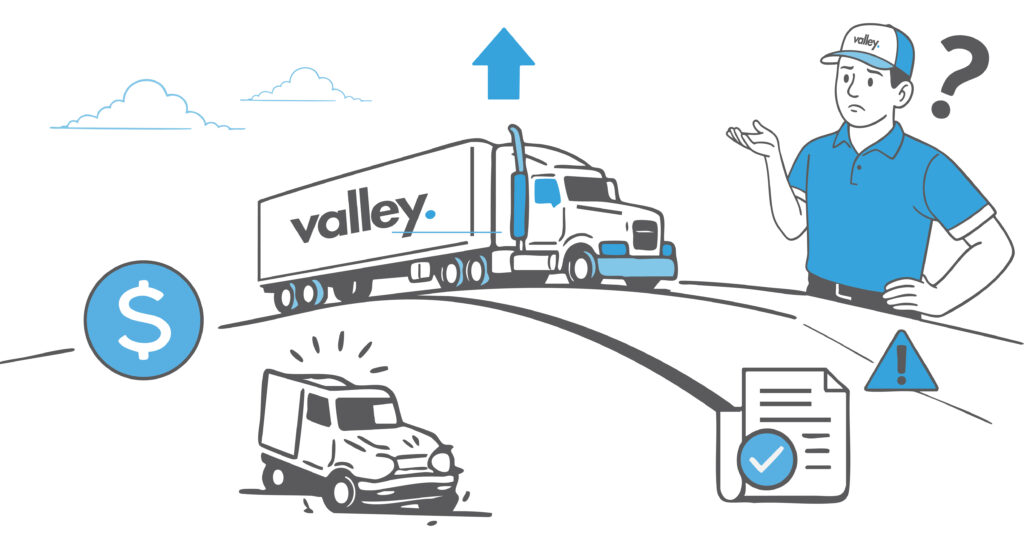
Commercial auto insurance has become one of the most frustrating costs for trucking companies. Year after year, premiums climb, even for fleets with clean records. Many carriers feel trapped, paying more while seeing little improvement in coverage or service.
This is not random. Commercial auto insurance rates are rising because risk has changed. Claims are more expensive, accidents are more severe, and legal exposure continues to expand. Insurers are reacting to these realities, and fleets are feeling the pressure.
The good news is this. While you cannot control the market, you can control how your operation looks to insurers. Fleets that understand what is driving rate increases and respond strategically put themselves in a better position to slow the damage and sometimes reverse it.
This guide explains why commercial auto rates keep rising and what trucking companies can realistically do about it.
Quick Answer
Commercial auto rates keep rising because claims are more expensive, lawsuits are larger, repair costs have surged, and risk exposure has increased across the industry. Fleets can reduce the impact by improving safety records, managing claims aggressively, using data to prove control, and aligning coverage with actual operations. Insurance rewards discipline and punishes uncertainty.
Why Commercial Auto Insurance Is Getting More Expensive
Insurance pricing follows loss trends. When insurers pay more claims, premiums rise. Several forces are pushing losses higher at the same time.
Claim Severity Has Increased
Accidents today cost more than they did a decade ago. Medical bills are higher. Vehicle repairs are more complex. Legal settlements are larger.
According to the National Highway Traffic Safety Administration, crashes involving large trucks continue to cause significant injuries and fatalities, which drives higher payouts across the industry. Their safety data explains how crash severity directly impacts insurance losses at the NHTSA road safety resource.
When claim severity increases, insurers must collect more premium to stay solvent.
Repair Costs Keep Climbing
Modern trucks use advanced braking systems, sensors, cameras, and electronics. Even minor accidents now require expensive diagnostics and specialized labor.
Parts shortages and skilled technician shortages have made repairs slower and more expensive. While safety technology reduces some crashes, it also raises the cost of fixing vehicles after an incident.
Nuclear Verdicts Changed the Risk Landscape
Large jury awards in trucking cases have reshaped underwriting. Even fleets with good records are exposed to the possibility of a catastrophic loss.
Insurers price for worst case scenarios, not average ones. When verdicts reach into the millions, carriers must adjust premiums across the board.
Driver Shortages Increase Exposure
New and inexperienced drivers statistically have higher accident rates. Even strong training programs cannot eliminate the learning curve entirely.
Underwriters factor driver experience heavily into pricing. Fleets with rapid hiring cycles or high turnover face higher perceived risk.
Fraud and Staged Accidents Are Rising
Insurance fraud adds hidden cost to every policy. Staged accidents, exaggerated injury claims, and inflated repair bills increase losses for insurers.
Those costs get passed on to carriers through higher premiums, even if a fleet has never been involved in fraud.
Economic Inflation Affects Every Claim
Labor, medical care, vehicle parts, towing, and legal services all cost more. Inflation does not just affect fuel and payroll. It directly inflates insurance losses.
Why Even Safe Fleets Pay More
One of the most common complaints from carriers is this. “We had no claims. Why did our rates go up?”
There are several reasons.
1. Insurance Is Pooled Risk
Commercial auto insurance spreads risk across many insureds. When losses rise industry-wide, premiums rise industry-wide.
2. Insurers Rebalance Their Books
Even if your fleet performs well, your insurer may need to rebalance pricing due to losses elsewhere.
3. Underwriting Standards Tighten
During hard insurance markets, insurers raise rates and reduce appetite. Fewer carriers compete, which limits pricing relief.
The National Association of Insurance Commissioners explains how market cycles affect pricing and availability in their consumer guidance at the NAIC insurance overview.
What Insurers Look At When Setting Rates
Understanding underwriting priorities helps fleets respond effectively.
Claims Frequency and Severity
One large claim hurts more than several small ones. Both matter.
Driver History
Violations, accidents, and experience levels influence pricing.
Maintenance and Inspection Records
Clean DOT inspections reduce risk perception. Poor maintenance raises red flags.
Operational Consistency
Sudden changes in routes, cargo, or fleet size increase uncertainty.
Data Transparency
Insurers favor fleets that can prove control through data, not promises.
The FMCSA emphasizes the role of vehicle condition and safety programs in reducing crashes, which directly impacts insurance risk. Their guidance on vehicle maintenance and safety outlines why disciplined operations matter.
Common Mistakes Fleets Make When Rates Rise
Many carriers respond to higher premiums in ways that make things worse.
1. Chasing the Cheapest Quote
Low premiums often hide exclusions, high deductibles, or weak claims support.
2. Cutting Coverage
Reducing limits or dropping coverage creates catastrophic exposure.
3. Ignoring Claims Management
Slow reporting and poor documentation increase claim costs.
4. Failing to Communicate Improvements
Insurers do not assume progress. Fleets must show it.
5. Letting Lapses or Compliance Issues Occur
Gaps in coverage signal instability and drive rates higher.
What You Can Do to Control the Damage
You may not stop rate increases entirely, but you can reduce their impact.
Strengthen Driver Safety Programs
Ongoing training, scorecards, and coaching reduce incidents. Insurers reward visible effort and results.
Use Technology to Prove Control
Dash cams, telematics, and GPS tracking demonstrate accountability and reduce disputed claims.
Manage Claims Aggressively
Report incidents quickly. Document everything. Stay involved through resolution.
Keep Maintenance Records Clean
Well documented maintenance lowers mechanical failure risk and inspection violations.
Review Coverage Annually
Make sure policies match actual operations. Remove gaps before renewal.
Build Relationships With Insurers
Stable communication and transparency build trust over time.
Avoid Rapid, Unplanned Growth
Controlled expansion looks safer than sudden scaling.
Real-World Examples
The Fleet That Used Data to Slow Increases
A regional fleet faced double digit increases despite a clean record. They introduced telematics, driver scorecards, and quarterly safety reviews. Over two renewal cycles, increases slowed significantly compared to market averages.
The Carrier That Cut Coverage and Paid for It
Another fleet lowered liability limits to save money. A severe accident exceeded the reduced coverage, leaving the company exposed to a large uncovered loss. Premium savings vanished instantly.
The Operator Who Improved Claims Handling
A small carrier focused on faster claims reporting and better documentation. Loss severity dropped, and renewal terms stabilized.
How to Think About Insurance Strategically
Insurance should support growth, not block it.
The goal is not the lowest premium. The goal is predictable protection at a sustainable cost.
Fleets that treat insurance as a managed risk tool, rather than a fixed expense, perform better over time.
FAQs
Why do rates rise even with no claims?
- Industry losses, inflation, and legal trends affect everyone.
Can safety programs really lower premiums?
- Yes. Insurers price risk based on behavior and results.
Is it better to raise deductibles?
- Only if your cash flow can absorb losses safely.
Does technology really matter?
- Yes. Data reduces disputes and proves control.
Will rates ever go down?
- They can, but only for fleets that outperform market risk trends.
Final Thoughts
Commercial auto rates are rising because risk is rising. Claims cost more, accidents are more severe, and legal exposure is higher than ever. Insurers are responding to these realities.
Fleets that understand the drivers behind pricing are better equipped to respond. By improving safety, managing claims, using data, and communicating clearly with insurers, carriers can slow increases and sometimes improve terms. You cannot control the market. You can control how your business is viewed inside it.
Review your insurance program before your next renewal. Look beyond the premium and examine safety data, claims handling, and documentation. Small changes today can protect margins and stabilize costs tomorrow. Before your next renewal, get a clear, professional review of your insurance program and see how your business is being priced by insurers. Request a quote here.
Smarter Coverage. Real Support. No Hassle.